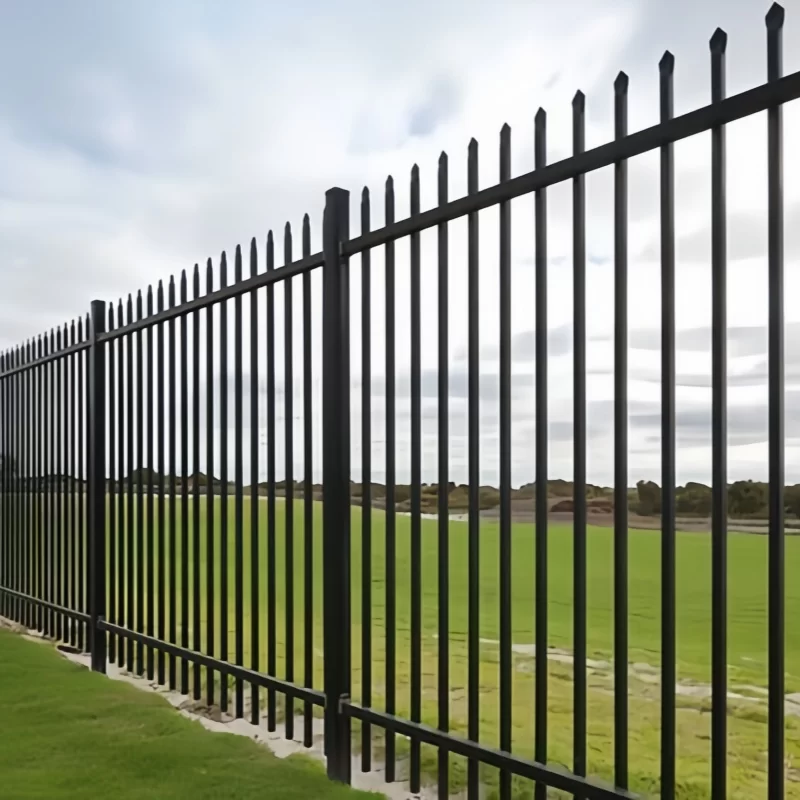
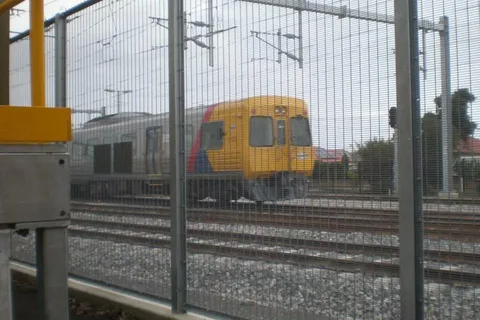
Airport Fence At The Overall Airport Perimeter Boundary
Airports are among the most security-sensitive infrastructures in the world, serving as vital hubs for passenger transportation, cargo logistics, and international connectivity. The overall perimeter boundary of an airport represents the first and most critical line of defense against unauthorized access, intrusion, and potential security threats. An effective Airport Fence system plays a decisive role in safeguarding airport operations, protecting assets, and ensuring public safety.Importance of Airport Perimeter Fencing
The airport perimeter defines the boundary between public areas and restricted airside zones, including runways, taxiways, aircraft aprons, maintenance areas, and critical infrastructure. Any unauthorized access to these areas poses serious risks, such as operational disruptions, safety hazards to aircraft, and potential security incidents.
International aviation authorities and airport operators therefore require perimeter fencing systems that can:
Prevent unauthorized pedestrian and vehicle access
Deter vandalism, theft, and sabotage
Clearly define controlled and restricted zones
Support surveillance, patrol, and alarm systems
Operate reliably over long service periods
Airport Fence systems are designed to meet these stringent requirements and form an essential component of an integrated airport security strategy.
Common Types of Airport Perimeter Fences
For overall airport boundaries, fencing systems are typically selected based on security level, local regulations, and environmental conditions. Commonly used systems include:
358 Anti-Climb Mesh Fence
High-Security Welded Mesh Fence
Chain Link Fence with Barbed or Razor Wire
Double Wire Fence Systems
Among these, 358 Anti-Climb Mesh Fence has become increasingly popular for airport perimeter applications due to its superior anti-intrusion performance and durability.
Anti-Climb and Anti-Intrusion Performance
One of the most important functions of an airport perimeter fence is to prevent climbing and forced entry. High-security airport fences feature dense mesh structures that significantly limit handholds and footholds, making climbing extremely difficult.
The rigid welded construction resists deformation under impact, while the small mesh apertures prevent cutting with common hand tools. This combination greatly increases the time and effort required for intrusion, acting as a strong deterrent to unauthorized access.
To further enhance security, airport perimeter fences are often equipped with:
Barbed wire or razor wire extensions
Anti-dig concrete footings
Intrusion detection cables or sensors
These features provide layered protection and align with international airport security standards.
High Visibility for Surveillance and Operations
Unlike solid walls, airport perimeter fences are designed to provide maximum visibility. Clear sightlines are essential for:
Security patrols and inspection teams
CCTV and thermal camera systems
Early detection of suspicious activities
The open mesh design allows security personnel to monitor both sides of the perimeter without obstruction, while still maintaining a strong physical barrier. This visibility is especially important for large airports with extensive boundary lengths.
Durability and Resistance to Environmental Conditions
Airport perimeter fencing is typically installed over long distances and must withstand continuous exposure to harsh outdoor conditions, including strong winds, heavy rain, intense sunlight, dust, and temperature fluctuations.
High-quality Airport Fence systems are manufactured from galvanized steel and often finished with polyester powder coating. This treatment provides:
Excellent corrosion resistance
Long service life, often exceeding 20–30 years
Minimal maintenance requirements
Such durability is critical for airports, where frequent repairs along the perimeter would result in high operational costs and potential security gaps.
Adaptability to Large-Scale Airport Boundaries
Airport perimeters often cover complex terrains, including flat land, slopes, drainage areas, and access roads. Modern Airport Fence systems are modular in design, allowing them to adapt to:
Straight and curved boundary lines
Uneven ground and embankments
Integration with access gates and service roads
Fence height can be customized, typically ranging from 2.4 meters to 3.6 meters or higher, depending on local regulations and threat assessments. This flexibility ensures that the fence system meets both security and operational requirements.
Integration with Airport Security Systems
Airport perimeter fences are rarely standalone solutions. They are designed to integrate seamlessly with advanced security technologies, including:
Perimeter intrusion detection systems (PIDS)
Motion sensors and vibration detection cables
Access control gates and biometric systems
Lighting and surveillance networks
The fence acts as the physical foundation upon which electronic and digital security systems are deployed, creating a comprehensive and layered defense system.
Compliance with International Aviation Standards
Airport perimeter fencing must comply with strict aviation security regulations set by national authorities and international organizations. High-security Airport Fence systems are widely used in airports across Europe, the Middle East, Asia, Africa, and the Americas, and are commonly accepted in both civil and military airport projects.
Their proven performance and compliance history make them a trusted choice for:
New airport construction
Airport expansion projects
Upgrading and replacement of existing perimeter fences
Cost Efficiency and Long-Term Value
Although high-security airport fencing may require a higher initial investment compared to basic fencing solutions, it offers significant long-term value. Reduced maintenance, extended service life, and improved security performance result in lower total life-cycle costs.
For airports managing tens or even hundreds of kilometers of perimeter boundaries, a durable and reliable fence system represents a strategic investment in safety and operational continuity.
In conclusion, Airport Fence systems used at the overall airport perimeter boundary play a vital role in protecting aviation infrastructure, ensuring safe airport operations, and complying with international security standards. With features such as anti-climb performance, high visibility, durability, adaptability, and system integration capability, modern airport perimeter fences provide an effective and long-lasting security solution.
As global air travel continues to grow and security requirements become increasingly stringent, the role of high-performance Airport Fence systems will remain fundamental to airport safety and perimeter protection worldwide.