Aluminum Alloy Fence In Solar Photovoltaic Power Plants
With the rapid development of renewable energy, solar photovoltaic (PV) power plants have become an important part of global energy infrastructure. As PV projects are usually built in open, outdoor environments and cover large areas, effective perimeter protection and site management are essential. Aluminum alloy fences are increasingly adopted in solar photovoltaic power plants due to their durability, safety, and cost-effectiveness.
Importance of Fencing in Solar Photovoltaic Power PlantsSolar photovoltaic power plants are long-term investments with high-value equipment, including solar panels, inverters, cables, and power control systems. These facilities are often located in remote areas such as deserts, grasslands, mountains, or suburban zones, making them vulnerable to unauthorized access, theft, vandalism, and damage by animals.
A reliable fencing system plays a critical role in:
Protecting valuable photovoltaic equipment
Preventing unauthorized entry and theft
Ensuring the safety of maintenance personnel
Complying with local regulations and project standards
Clearly defining project boundaries
Therefore, selecting a suitable fencing solution is a key part of PV power plant design and construction.
Why Choose Aluminum Alloy Fence for PV Power Plants
Compared with traditional steel fences or chain link fences, aluminum alloy fences offer several significant advantages that make them ideal for photovoltaic power plant applications.
Excellent Corrosion Resistance
Solar power plants are exposed to harsh outdoor environments for decades. Aluminum alloy fences naturally form a dense oxide layer on the surface, which provides excellent resistance to corrosion, rust, humidity, salt spray, and chemical exposure. This makes them particularly suitable for coastal areas, deserts, high-temperature zones, and regions with strong ultraviolet radiation.
Unlike steel fences, aluminum alloy fences do not require frequent repainting or anti-rust treatment, greatly reducing long-term maintenance costs.
2.2 Long Service Life and Structural Stability
Aluminum alloy materials are lightweight yet strong, offering high tensile strength and impact resistance. With proper design and installation, aluminum alloy fences can maintain structural stability for more than 20–30 years, matching the service life of photovoltaic power plants.
The fence structure remains stable under wind loads, temperature changes, and long-term outdoor exposure, ensuring reliable perimeter protection throughout the entire project lifecycle.
2.3 Low Maintenance and Cost Efficiency
Although the initial investment of aluminum alloy fencing may be slightly higher than ordinary steel fencing, the overall life-cycle cost is significantly lower. Aluminum alloy fences are:
Rust-free and corrosion-resistant
Not prone to deformation
Easy to clean and maintain
This results in reduced inspection, repair, and replacement costs, which is highly valued in large-scale solar power plants where maintenance efficiency is critical.
3. Safety and Security Performance
Security is one of the primary functions of fencing in photovoltaic power plants. Aluminum alloy fences can be designed with various anti-climbing and anti-intrusion features, such as:
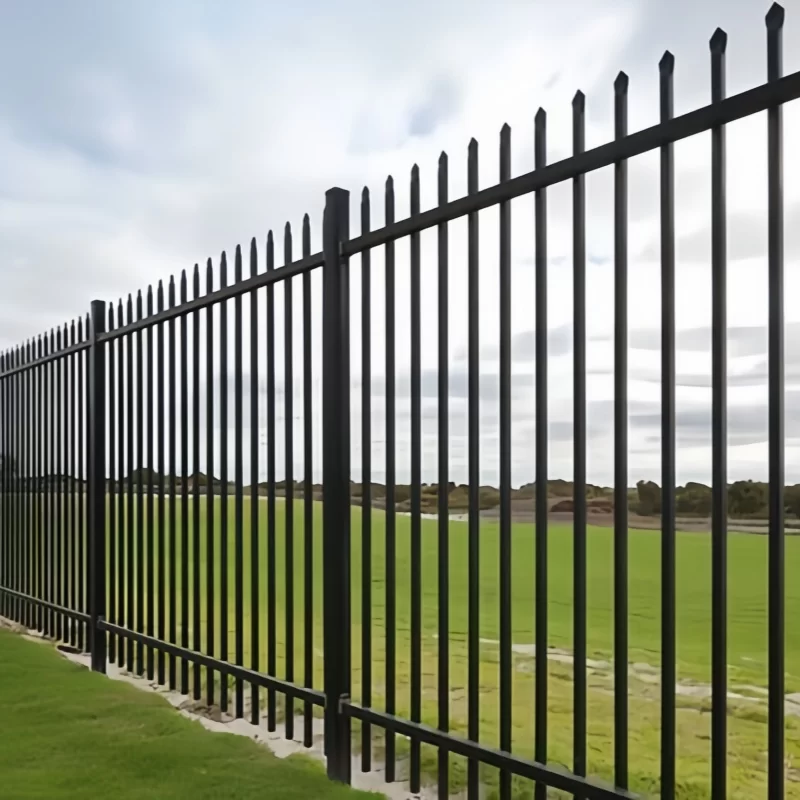
Vertical picket designs with narrow spacing
Spear-top or curved tops
Smooth surface treatments to prevent climbing
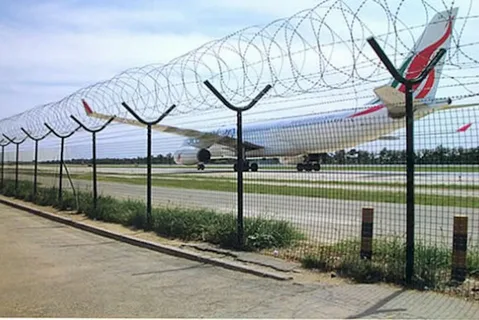
Integration with razor wire or barbed wire
Compatibility with surveillance cameras, sensors, and alarm systems
These designs effectively deter unauthorized access while maintaining a professional and modern appearance.
Adaptability to Different PV Project Environments
Photovoltaic power plants are built in diverse geographical and environmental conditions. Aluminum alloy fencing systems are highly adaptable and can be customized to meet different site requirements, including:
Flat terrain and uneven ground
Desert, coastal, and mountainous areas
High-wind or high-temperature environments
Fence height, panel spacing, post structure, and foundation methods can all be adjusted according to project specifications and local regulations.
Lightweight Design and Easy Installation
Aluminum alloy fences are significantly lighter than steel fences, which offers major advantages during transportation and installation. This is especially important for large-scale PV projects located in remote areas where logistics and labor costs are high.
The lightweight structure allows for:
Faster installation
Reduced labor intensity
Lower transportation costs
Minimal impact on the surrounding environment
Modular fence systems also make on-site assembly more efficient and flexible.
Environmental and Sustainable Benefits
As a renewable energy project, solar photovoltaic power plants emphasize sustainability and environmental responsibility. Aluminum alloy fences align well with this concept:
Aluminum is 100% recyclable
The production process has a lower environmental impact compared to heavy steel
Long service life reduces material waste
Using aluminum alloy fencing supports the green and sustainable development philosophy of solar energy projects.
Aesthetic Appearance and Professional Image
In addition to functionality, aluminum alloy fences offer a clean, modern, and professional appearance. They can be surface-treated with powder coating or anodizing in various colors to blend with the surrounding environment or meet project branding requirements.
A well-designed aluminum alloy fence enhances the overall image of the photovoltaic power plant and reflects high construction standards and professional management.
Compliance with International Standards
Aluminum alloy fences for photovoltaic power plants can be manufactured to meet international standards and project requirements, including:
ISO quality standards
Local safety and construction codes
Utility and energy company specifications
This makes them suitable for international EPC projects and overseas solar power plant developments.
Aluminum alloy fencing has become an ideal perimeter protection solution for solar photovoltaic power plants due to its corrosion resistance, long service life, low maintenance requirements, and excellent security performance. It not only protects valuable photovoltaic assets but also supports sustainable development goals and reduces long-term operational costs.
With flexible design options and strong adaptability, aluminum alloy fences provide reliable, efficient, and cost-effective protection for modern photovoltaic power plants worldwide.