Stainless Steel Wire Mesh: 304 Vs. 316 – Which Grade Is Right For Your Project?
As a professional manufacturer of wire mesh products, Anping Huawo understands that selecting the right stainless steel grade is crucial for your project's success and longevity. Two of the most common grades we work with are 304 and 316 stainless steel. While both offer excellent corrosion resistance and durability, they serve different purposes based on their chemical composition and performance characteristics.
This comprehensive guide will help you understand the key differences between 304 and 316 stainless steel wire mesh, enabling you to make an informed decision for your specific application.
Detailed Comparison
1. Chemical Composition: The Fundamental Difference
The core difference between these two stainless steel grades lies in their chemical composition:
* 304 Stainless Steel: Also known as "18-8" stainless steel, contains 18% chromium and 8% nickel. This composition forms a protective oxide layer that provides excellent corrosion resistance in most environments.
* 316 Stainless Steel: Contains 16% chromium, 10% nickel, and crucially, 2% molybdenum. The addition of molybdenum significantly enhances the alloy's resistance to various forms of corrosion, particularly from chlorides and other industrial solvents.
2. Corrosion Resistance: Where 316 Pulls Ahead
* 304 Stainless Steel: Offers excellent resistance to a wide range of atmospheric environments and many corrosive media. It performs well in most fresh water and urban settings. However, it's susceptible to pitting and crevice corrosion when exposed to chloride ions, which can be found in saltwater and de-icing salts.
* 316 Stainless Steel: The molybdenum content in 316 provides a significant advantage in corrosive environments. It offers superior resistance to:
* Saltwater and sea spray
* Chloride solutions
* Sulfuric acids
* Bromides
* Other harsh industrial chemicals
This makes 316 the preferred choice for applications where exposure to corrosive elements is frequent or prolonged.
3. Applications: Choosing the Right Grade for Your Needs
Choose 304 Stainless Steel Wire Mesh for:
* Architectural and decorative applications
* Industrial filtering and screening
* Food processing and mining industries
* Chemical processing equipment (mild environments)
* Pest control screens and insect meshes
* Landscape design and interior applications
* Applications where budget is a primary concern
Choose 316 Stainless Steel Wire Mesh for:
* **Marine and coastal applications** (boat rails, offshore platforms)
* **Chemical processing plants** handling aggressive chemicals
* Pharmaceutical manufacturing equipment
* Medical devices and surgical components
* Coastal architectural projects and seaside properties
* Water treatment facilities using chlorination
* Pulp and paper manufacturing plants
4. Cost Considerations: Balancing Performance and Budget
* 304 Stainless Steel: Being the most widely used stainless steel grade, 304 is more readily available and typically **30-40% less expensive** than 316. It provides the best value for applications where extreme corrosion resistance isn't required.
* 316 Stainless Steel: The addition of molybdenum and higher nickel content makes 316 more expensive to produce. However, this additional cost is justified in environments where 304 would corrode prematurely, leading to replacement costs and downtime.
Maintenance and Lifespan
Both grades are known for their durability and low maintenance requirements. The protective passive layer on both 304 and 316 stainless steel allows them to self-repair when damaged, provided they're exposed to oxygen.
* 304: With proper selection for the environment, 304 stainless steel mesh can last for decades with minimal maintenance.
* 316: Offers an even longer service life in corrosive environments, potentially saving significant replacement costs over time.
Expert Recommendation from Huawo
At Anping Huawo Wire Mesh, we recommend:
Choose 304 stainless steel for most standard applications where exposure to harsh chemicals and saltwater is minimal. It offers excellent performance at a more economical price point.
Upgrade to 316 stainless steel when your wire mesh will be exposed to coastal environments, chemical processing, salt, chlorides, or other aggressive corrosive elements. The initial higher investment will pay off through extended service life and reduced maintenance."
Why Choose Anping Huawo for Your Stainless Steel Wire Mesh?
With over 20 years of manufacturing experience and service to 100+ countries, we have the expertise to guide you to the perfect material choice for your project.
Our stainless steel wire mesh services include:
* Expert Material Selection Guidance
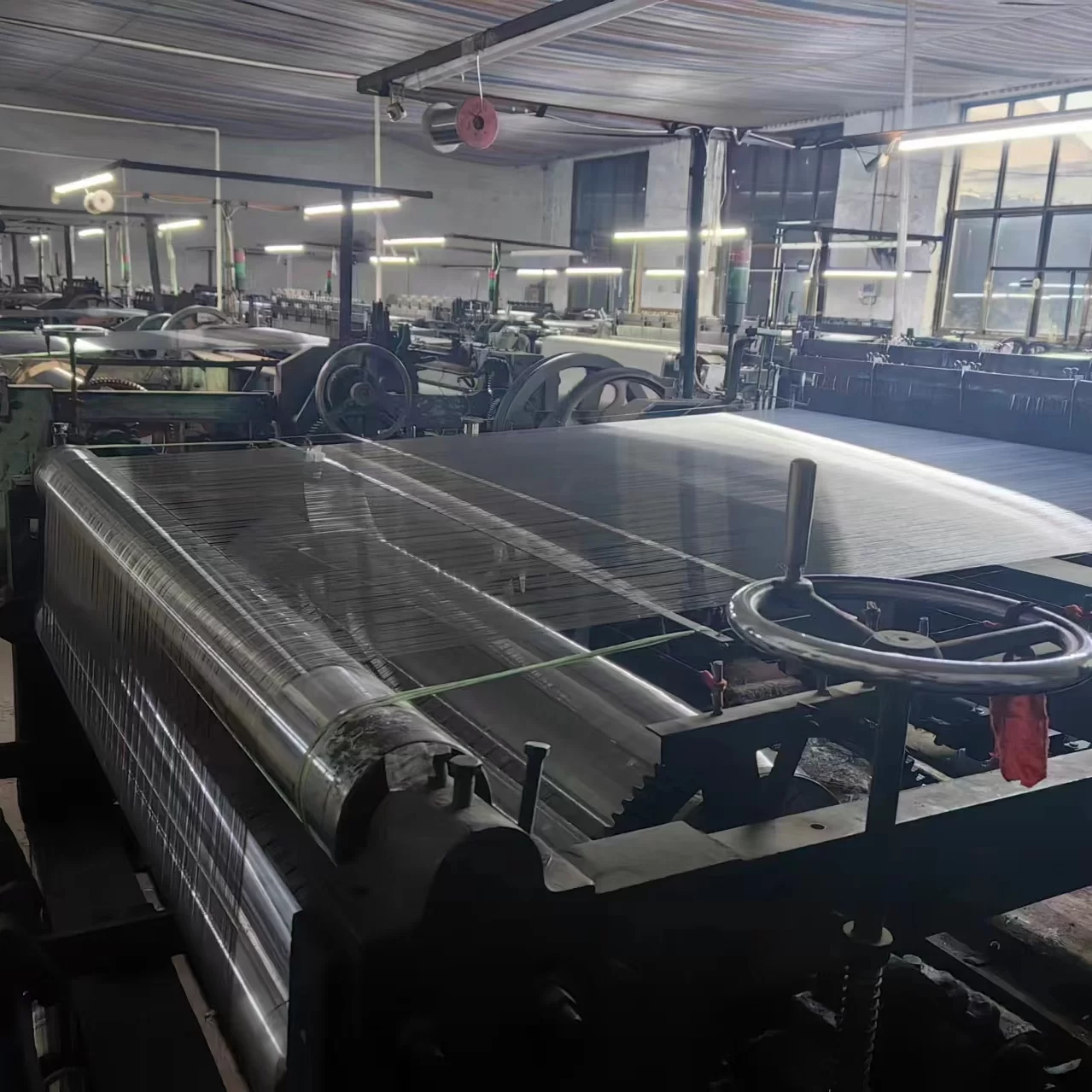
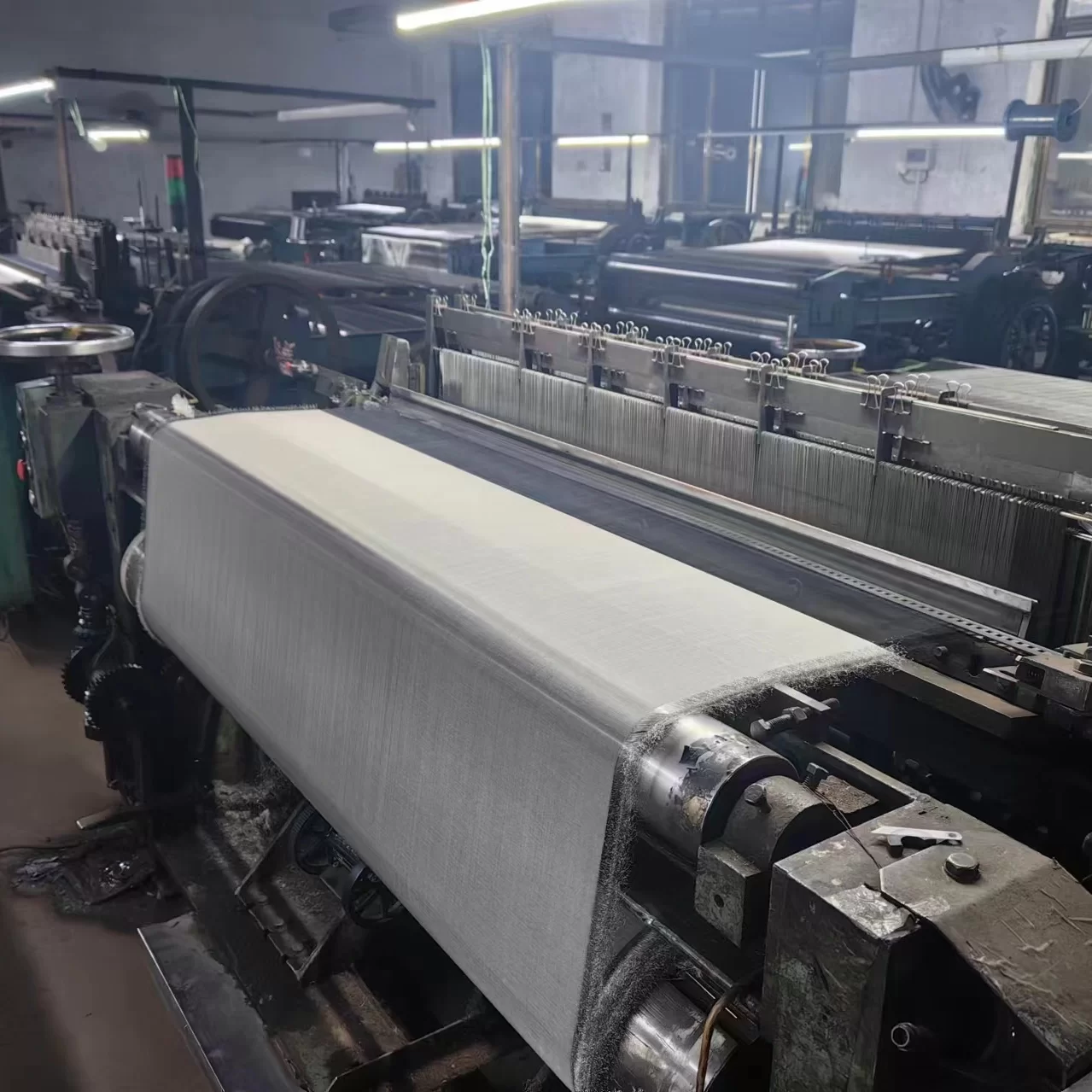
* Custom Weaving & Specifications
* Various Weave Patterns (plain weave, twill weave, Dutch weave)
* Multiple Mesh Sizes & Wire Diameters
* Quality Assurance & Complete After-Sales Support
Contact us today to discuss your project requirements! Our technical team will help you determine whether 304 or 316 stainless steel wire mesh is the right solution for your specific application and environment.